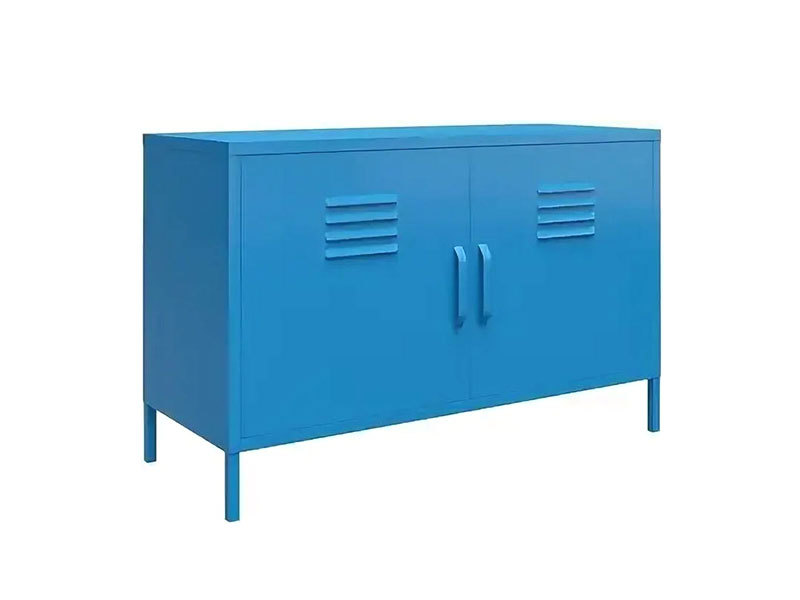
Surface treatment plays an important role in enhancing the performance of stamping parts. Depending on application requirements, stamping parts can undergo processes such as galvanizing, electroplating, powder coating, anodizing, or polishing. These treatments improve corrosion resistance, wear resistance, and appearance, extending product service life and meeting both functional and aesthetic demands.
In the automotive industry, stamping parts are extensively used for body panels, brackets, reinforcements, frames, and safety components. Their consistent quality and high strength contribute to vehicle safety, performance, and fuel efficiency. In electronics and electrical equipment, stamping parts are used for connectors, terminals, shielding components, and enclosures, where precision and reliability are essential.
Technological advancements have significantly improved stamping production. Automated feeding systems, high-speed presses, and robotic handling enhance productivity and workplace safety. Computer-aided design and simulation tools allow engineers to optimize die structures and forming processes, reducing defects such as cracking or deformation. These innovations improve overall efficiency and shorten product development cycles.
From an environmental perspective, stamping parts support sustainable manufacturing practices. The stamping process makes efficient use of raw materials, and metal scrap generated during production can be recycled. High-volume production also lowers energy consumption per unit, contributing to reduced environmental impact and supporting green manufacturing goals.
In summary, stamping parts play a vital role in modern industry due to their efficiency, precision, and versatility. Their wide range of applications, combined with ongoing technological improvements, ensures their continued importance in global manufacturing. As industries pursue higher quality, lower costs, and sustainable production, stamping parts will remain a key solution for reliable and scalable component manufacturing.
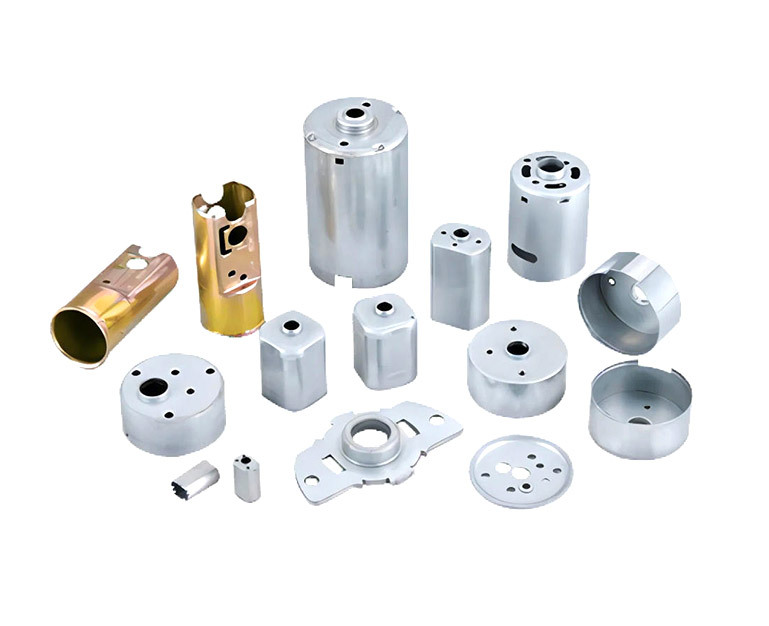
Stamping metal parts is a highly versatile and widely used manufacturing process in which flat metal sheets are shaped into precise components using dies, presses, and various forming techniques. This method allows for the production of parts with complex geometries, tight tolerances, and high repeatability, making it essential for industries such as automotive, electronics, aerospace, construction, and household appliances. The process typically begins with selecting high-quality metal sheets, including steel, aluminum, copper, or alloys, depending on the desired mechanical properties, corrosion resistance, and conductivity requirements. Using progressive, transfer, or single-station stamping presses, the metal is cut, bent, embossed, or formed into the required shapes. One of the key advantages of stamping metal parts is its ability to produce large volumes efficiently while maintaining consistent quality, which reduces manufacturing costs and material waste. Advanced stamping techniques, such as deep drawing, blanking, coining, and embossing, allow manufacturers to achieve intricate designs and functional features, including holes, slots, ribs, and flanges, in a single or multiple-step process. Modern stamping operations often incorporate automation, robotics, and computer numerical control (CNC) technology to enhance precision, improve cycle times, and ensure workplace safety. In addition, surface treatments such as plating, coating, or heat treatment are commonly applied to stamped parts to enhance durability, corrosion resistance, and aesthetic appeal. Stamping metal parts play a critical role in the automotive industry, where they are used for chassis components, brackets, panels, and engine parts that require strength, precision, and reliability. In electronics, stamped metal parts provide connectors, housings, shielding, and heat sinks that ensure proper performance and thermal management. Aerospace applications demand lightweight, high-strength stamped components capable of withstanding extreme temperatures and mechanical stress, while industrial machinery relies on robust stamped parts for structural and functional purposes. The benefits of stamping metal parts extend beyond manufacturing efficiency; the process enables customization, material optimization, and design flexibility, allowing engineers to innovate and meet evolving market demands. As technology advances, the integration of simulation software, high-speed presses, and intelligent quality control systems further enhances the capabilities of metal stamping, ensuring consistent precision and minimal defects. With growing emphasis on sustainability, manufacturers are also focusing on optimizing material usage, recycling scrap metal, and adopting environmentally friendly lubricants and coatings during the stamping process. Overall, stamping metal parts remain a cornerstone of modern manufacturing, offering cost-effective, high-quality, and scalable solutions that meet the stringent requirements of various industries while supporting innovation and technological progress.